
“I don’t want anything positive to come out of my son’s death.” He was adamant. Such a tragedy was nothing but that, an abject dark tragedy. The end of the road. The end of possibility. The End.
A few months ago, a bereaved father joined our circle on his therapist’s advice. He attends every meeting without fail and participates fully and most of all, he listens. Even when things being shared do not resonate with him, he listens and thinks.
A fortnight ago, at CORe we discussed our experience of growth and healing. All members brought their unique perspectives and experiences to the table. Scott Stabile, an American storyteller described as a ‘passionate love activist’, was quoted – ‘When we become more committed to our growth than we are to our pain, we open the door to healing ourselves for real.’
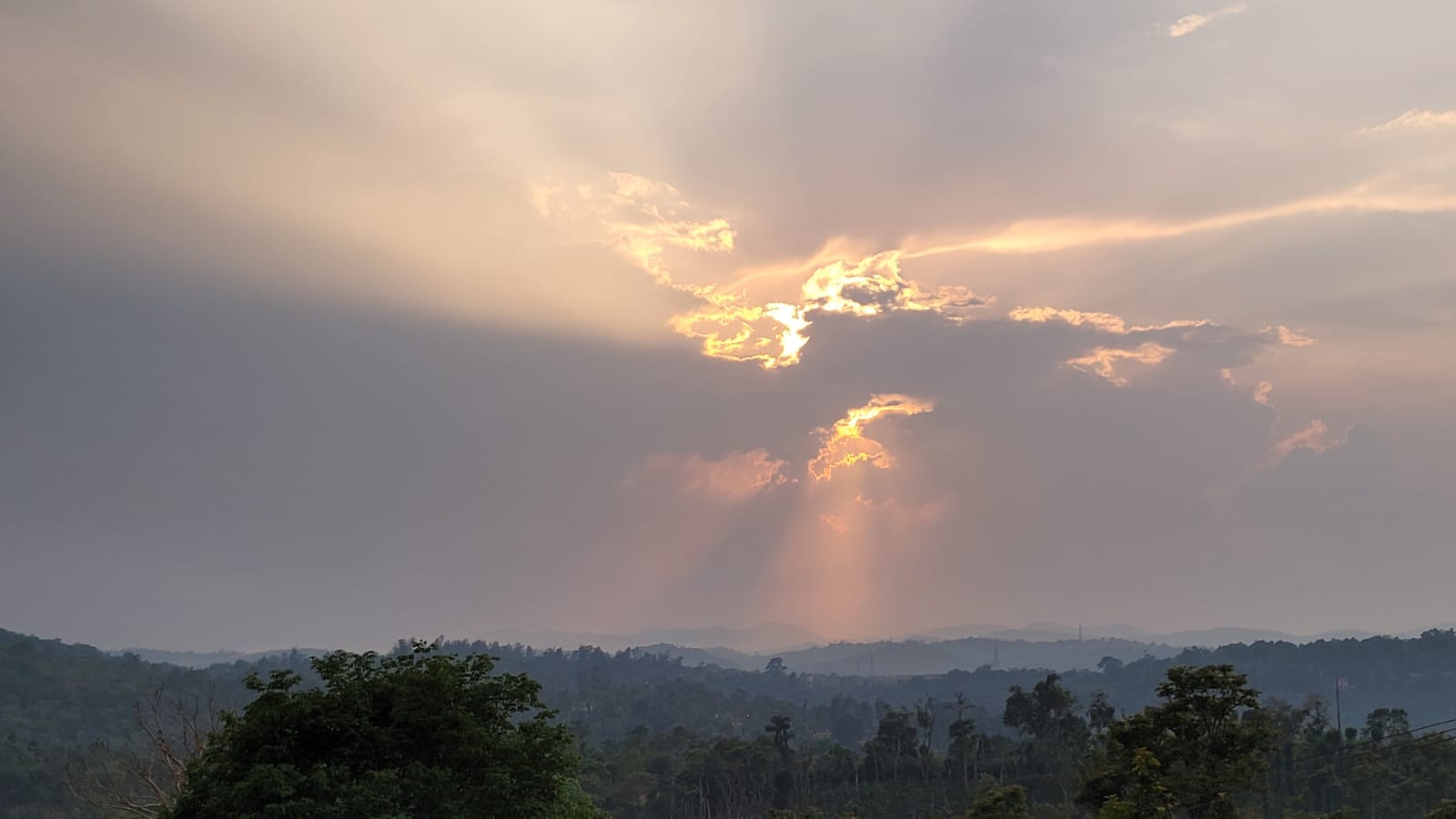
The next morning Si and I woke up to this e-mail from our new friend, which made us look at the wide shining horizon and smile. I share his message with you with his permission, anonymising names. His words crystallized what our conversation is about. It is beyond positive and negative, good and bad, right and wrong. It is about meeting our lives once again, this time from deep within.
“I find myself yearning for a new way of being. The loss of my son—the unbearable reality of his departure by his own hand—is a pain that echoes through me each day. It is a grief that lives in my bones, a sorrow that cannot be erased. And yet, in the quiet moments, I sense what my son would have wished for me: to experience the joy I am still capable of, and to live a life that brings light and meaning to others. That thought, tender and enduring, helps lift me from the harrowing images of his final choice.
What I seek now is not a return to who I was, but a gentle transformation—a becoming. A way of existing that honours both the love I hold for my son and the life I still have to live in this human form.
The word *heal* feels misplaced. One does not heal from the loss of a child to suicide. Healing suggests a restoration, a return to what once was. But for me, wholeness would mean my son is here, alive, sharing my life. And that can never be again. So instead of healing, perhaps this is about learning how to carry the weight with grace, and how to live forward with love.
I must continue forward with as much honesty as my heart can hold. While I do not wish for any more pain, I also recognise that if the depth of my love for my son inevitably brings sorrow, then I want to meet that sorrow with grace. If this pain is the measure of such profound love, then may I carry it with a kind of joy—a quiet, steady joy—that is real and true. Not a surface smile or a fleeting distraction, but the deep, abiding joy that coexists with heartbreak. The kind that honours love in its purest form.
I feel I must accept that this unending pain is real—that it is part of me now. And yet, to live the life my son would wish for me, I need to be courageous enough to place my love for him above all else. To let that love lead, to allow it to gently cover the pain, and perhaps even to use the pain itself as a way to deepen and expand the love I carry for him. In doing so, I honour his life not only with remembrance, but with the continued act of loving him—fiercely, fully, and with purpose.
Thank you for creating this channel.”
Thank you to all members of CORe. Each of us, a channel.